How to Build a Pomodoro Study Plan for Exams
Before a test, time melts away deciding “what to start with.” With a Pomodoro timer, split each subject into sets to organize what to do, make your study load visible, and keep focus going. Here’s how to plan for tests and exams.
Why Pomodoro works for exam prep
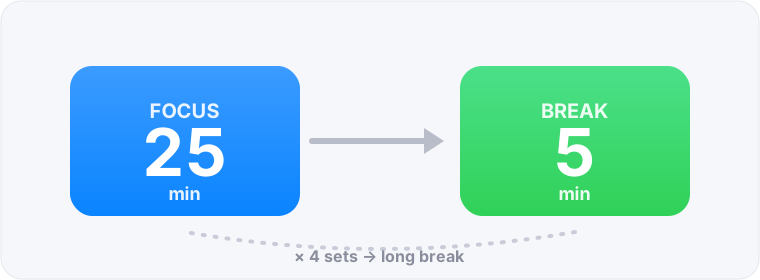
Exam prep stalls because the scope feels too big to start and because focus breaks during long nonstop sessions. Splitting each 25 minutes into a subject or unit lets you begin — “just this one set” — and the sets you finish become a record of how much you studied.
Build a timetable by subject
Assigning a number of sets per subject makes planning easy.
- Memorization (vocab, history): 15–25 min across more sets
- Understanding (math, science, reading): 25–45 min per focused set
- e.g. weekdays: 2 English, 2 math, 1 social = 5 sets; double on weekends
Using it in the final stretch
Near the test, weight your sets toward weak spots and likely topics. Set a numeric goal like “4 sets of English, 4 of math” and log each one — the sense of progress keeps you going. If you get sleepy, take a break instead of forcing it.
Focus for mock tests and past papers
For past papers and practice, a longer 50-minute set that matches the real exam works well. Take a 5-minute break, then use the next set to grade and review. Splitting “solve” and “review” into separate sets makes sure you actually review.
Avoiding a broken plan
Tips to keep Pomodoro going.
- Plan in number of sets (counts hold up better than clock times)
- Carry unfinished sets to the next day and don’t beat yourself up
- Keep your phone in another room; skip social media on breaks too
Exam-prep FAQ
How many sets a day?
Aim for 4–6 on weekdays and 8–12 on weekends to start. Keeping focus quality high every day beats forcing huge numbers.
Should memorization and practice use different times?
Yes. Use 15–25 minutes with more reps for memorization, and 25–45 minutes for subjects that need thinking. FocusBlock lets you set the time freely.
My plan keeps falling apart.
Plan in number of sets, not clock time, and roll unfinished sets to the next day. Don’t aim for perfect — log the sets you finish and build momentum.